How to choose the right kitchen design for your home.
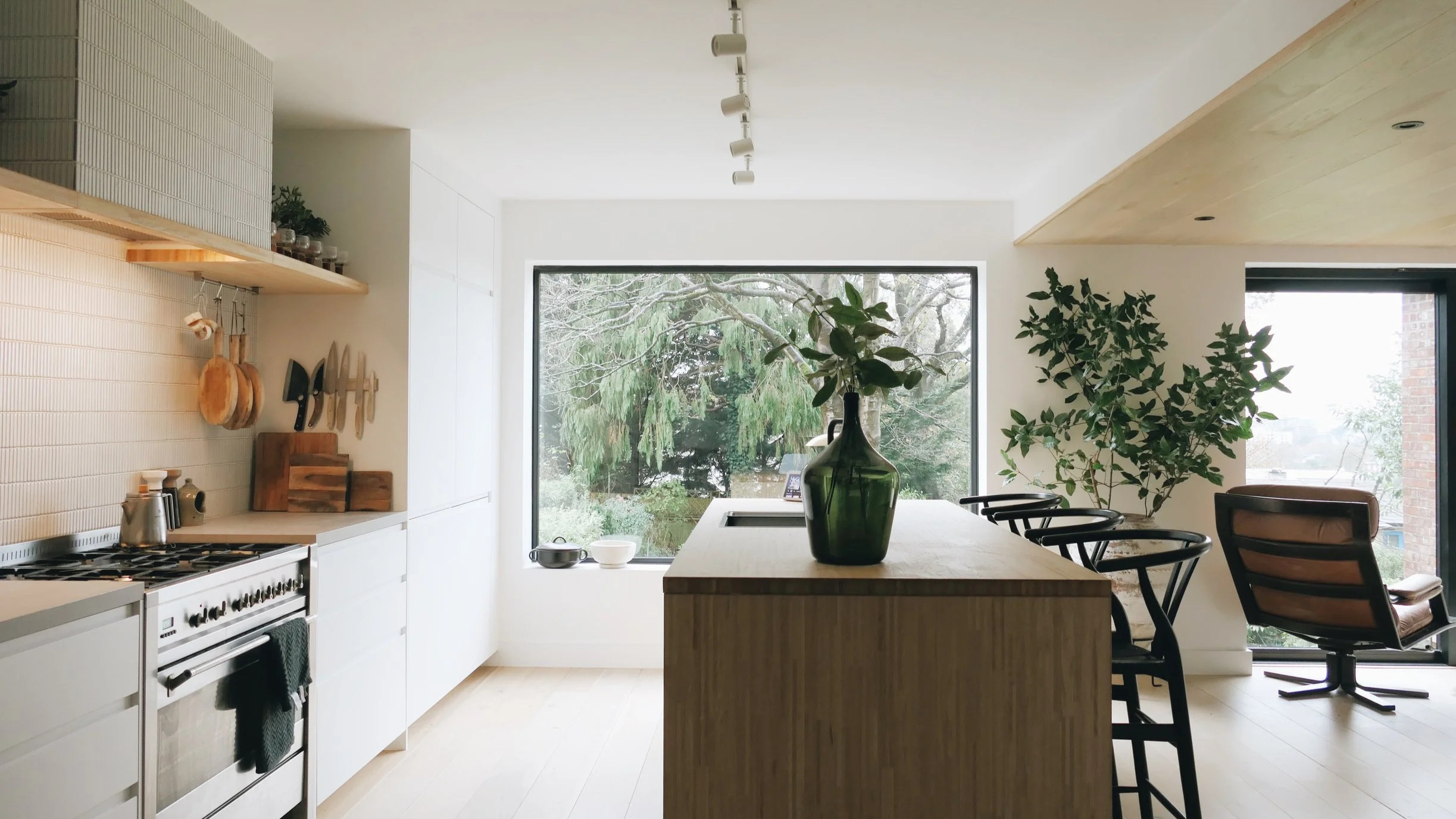
Choosing a kitchen design is rarely about selecting a style. The most successful kitchens are not defined by trends or finishes, but by how well they respond to the architecture of the home and the way they are used day to day.
For many homeowners, the process can feel overwhelming, a series of decisions around layouts, materials and details. Taking a step back and approaching the kitchen as part of a wider architectural story often leads to a more considered and lasting result.
Start With How You Live
Before thinking about cabinetry or appliances, it’s worth considering how you actually use your kitchen. Is it primarily a social space, where cooking happens alongside conversation? Or is it a quieter, more functional environment? Do you entertain frequently, or is the kitchen used more privately?
These questions shape the foundation of the design. A large open-plan kitchen may suit one household, while another may benefit from more defined, separated spaces. Understanding your routines allows the design to feel natural rather than imposed.
Consider the Architecture First
A kitchen should feel connected to the rest of the home. Rather than treating it as a standalone room, think about how it sits within the wider layout. How does it relate to dining and living spaces? Where does natural light enter? What views can be framed or revealed?
Even small architectural decisions, a shift in ceiling height, the placement of a window, or the alignment of a kitchen island, can influence how the space feels. When the architecture is resolved first, the kitchen design becomes simpler.
Choose Materials That Will Last
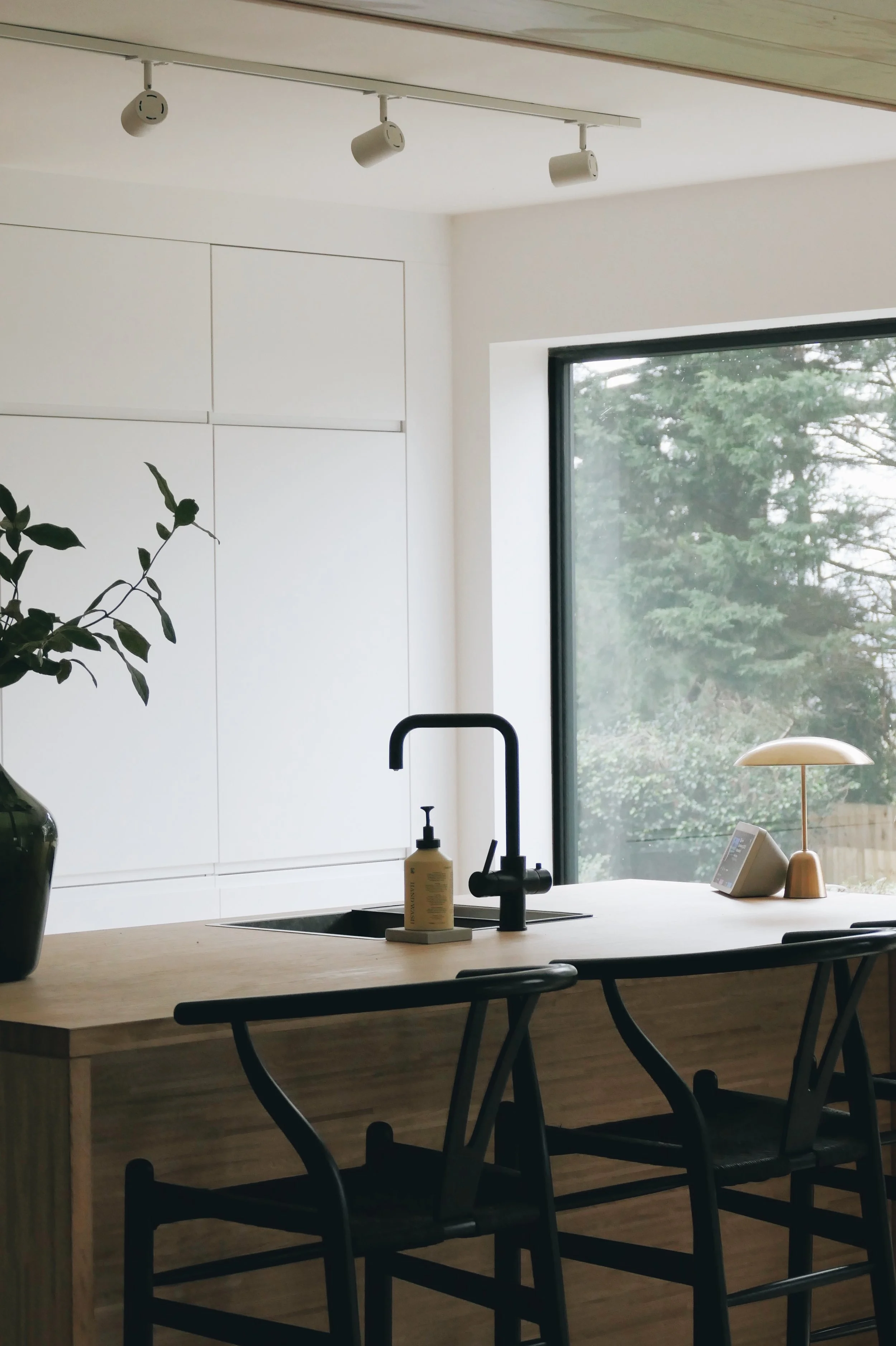
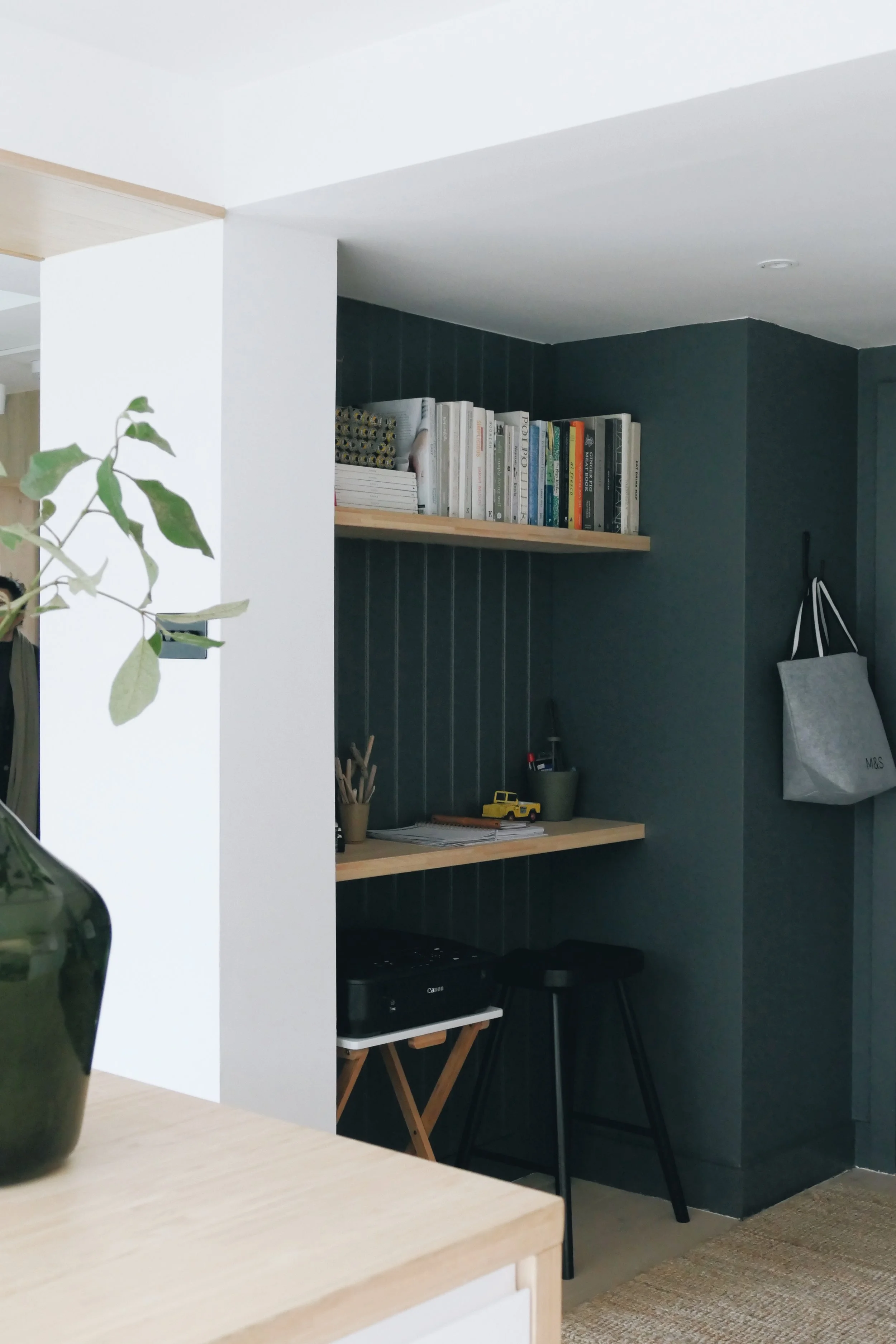
Material choice has a lasting impact on both the appearance and longevity of a kitchen. Natural materials such as timber, stone and lime plaster tend to age more gracefully than synthetic alternatives. They develop character over time, softening rather than deteriorating.
A restrained palette often works best. Limiting the number of materials creates a sense of cohesion and calm, allowing the space to feel considered rather than overly styled. The aim is not to create a statement, but to build a space that feels comfortable and enduring.
Focus on Simplicity
It can be tempting to include every possible feature, but the most refined kitchens are often the simplest. Clean lines, integrated appliances and well-considered storage allow the space to feel uncluttered. Visual noise is reduced, and attention shifts to proportion, light and material.
This approach also ensures the kitchen sits quietly within the architecture, rather than dominating it.
Think About Light and Orientation
Light plays a significant role in how a kitchen is experienced. Consider how the space will feel throughout the day. Morning light can bring energy to preparation areas, while softer evening light creates a more relaxed atmosphere for dining.
Positioning key elements, such as a sink or island, in relation to windows or views can enhance the experience of everyday tasks.
Work With the Right People
Choosing the right designer or maker is as important as the design itself. A skilled kitchen designer or joiner will help translate your ideas into a coherent, well-crafted space. They can guide decisions around proportion, detailing and material selection, ensuring everything works together.
Taking the time to find someone whose approach aligns with your own often leads to a far more successful outcome.
Avoid Designing for the Moment
Kitchen trends change quickly. What feels current today may feel dated in a few years. Focusing on timeless principles, proportion, material and clarity, creates a kitchen that remains relevant over time. Subtle, well-considered spaces tend to age far better than those built around short-term trends.
A Kitchen That Feels Right
Ultimately, choosing a kitchen design is about creating a space that feels natural to live in. When the design responds to architecture, supports daily routines and uses materials that age well, the result is something more than functional. It becomes a central part of the home, calm, practical and enduring.
A well-designed kitchen doesn’t need to stand out.
It simply needs to feel right.