The importance of landscape in residential design.
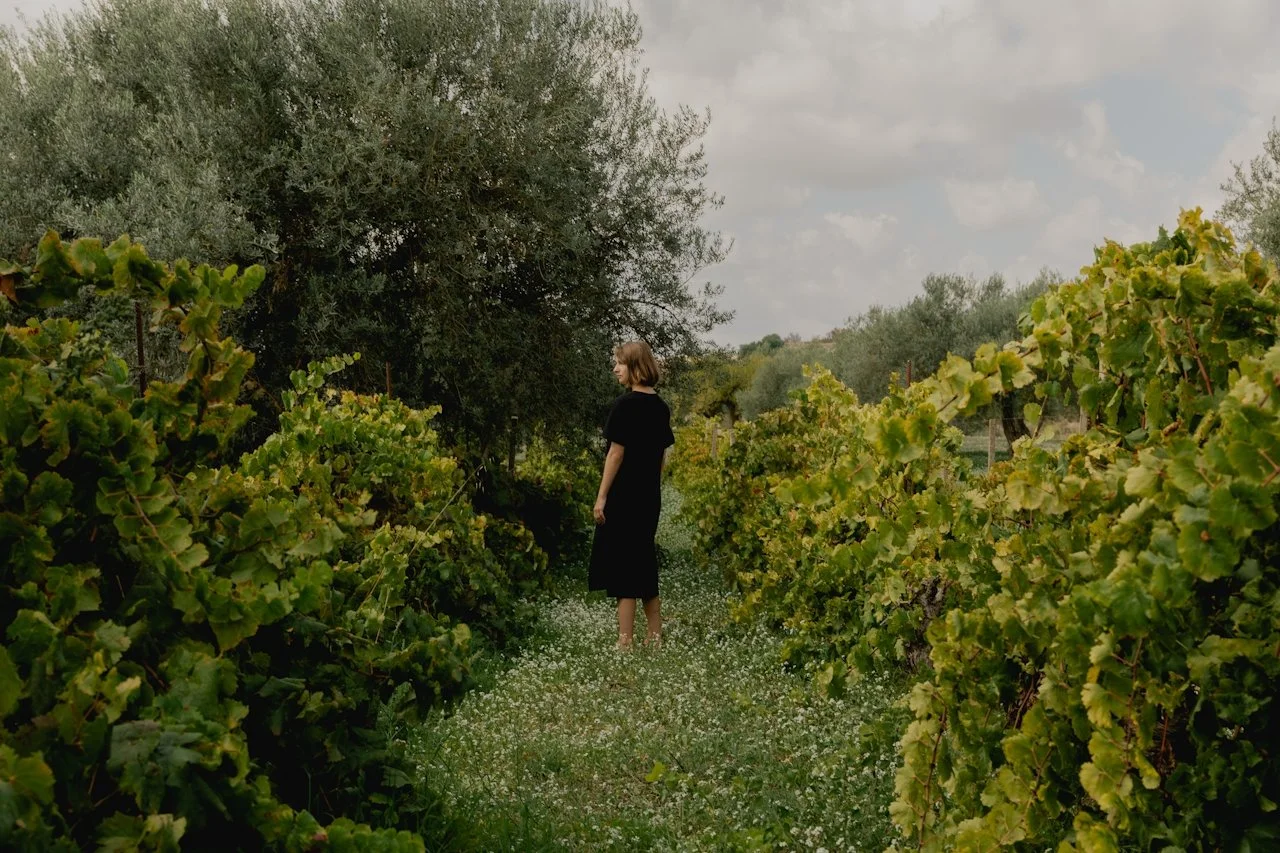
Architecture rarely exists in isolation. The most memorable homes are those that recognise the landscape as an essential part of the design process rather than an afterthought.
In regions such as Somerset, Dorset, Hampshire and West Sussex, the relationship between house and land is particularly important. Rolling countryside, coastal views and mature gardens provide a setting that architects increasingly choose to work with rather than compete against.
Thoughtful residential design often begins by considering the landscape first. Where does the morning light arrive? Which views should be framed, and which should remain hidden? How will the building sit within the contours of the land?
Landscape architects and garden designers frequently collaborate with architects from the earliest stages of a project. This integrated approach allows terraces, planting and outdoor spaces to feel like natural extensions of the home rather than separate elements.
Materials again play a quiet but significant role. Gravel paths, stone walls and native planting help anchor buildings within their surroundings, softening the transition between architecture and nature.
The result is a home that feels rooted rather than placed — one that acknowledges its environment and allows the landscape to become part of everyday life.