What chalets in the French Alps teach us about building in the landscape.
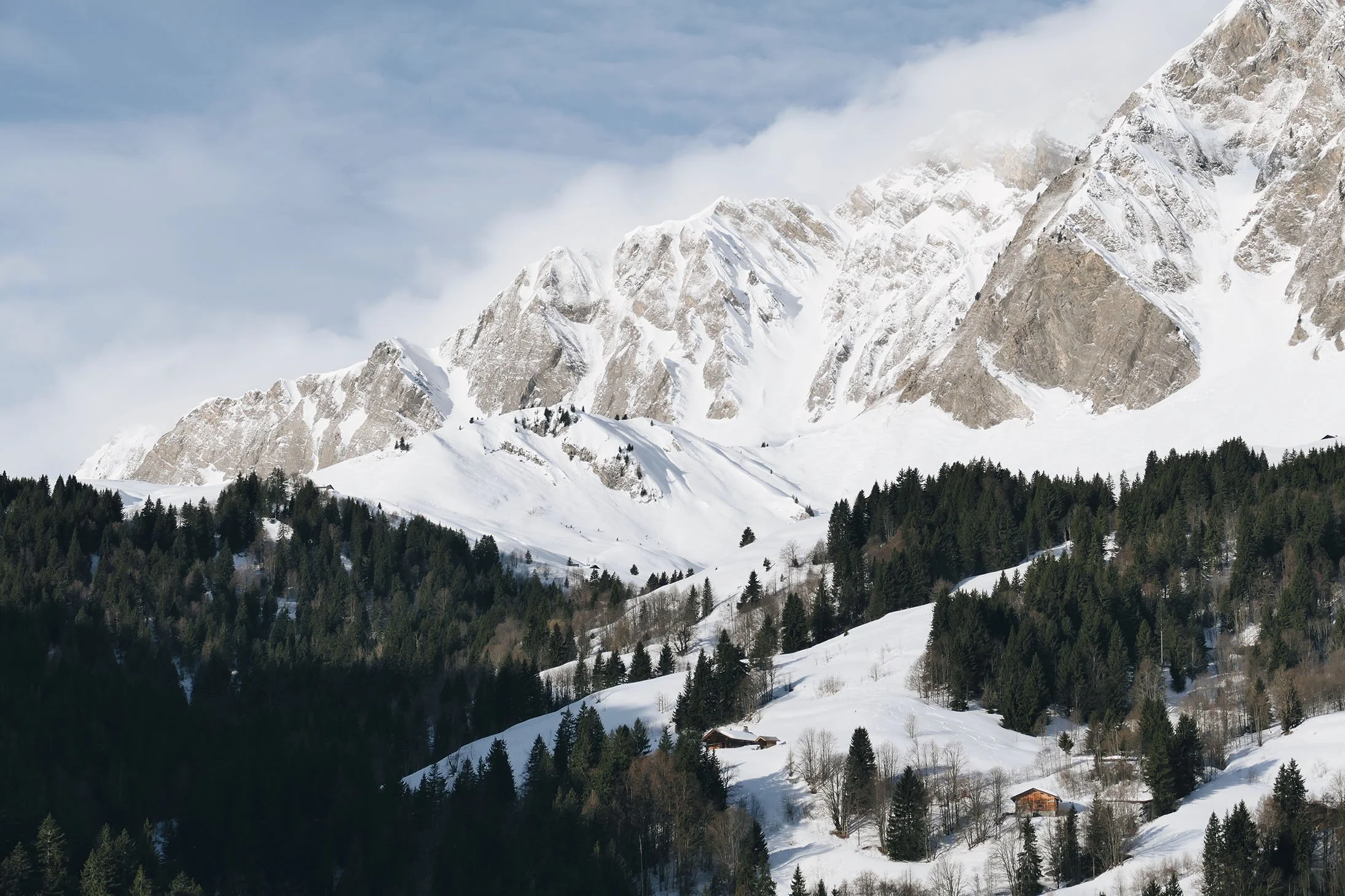
There’s something distinctly calm about the way chalets sit within the landscape in the French Alps.
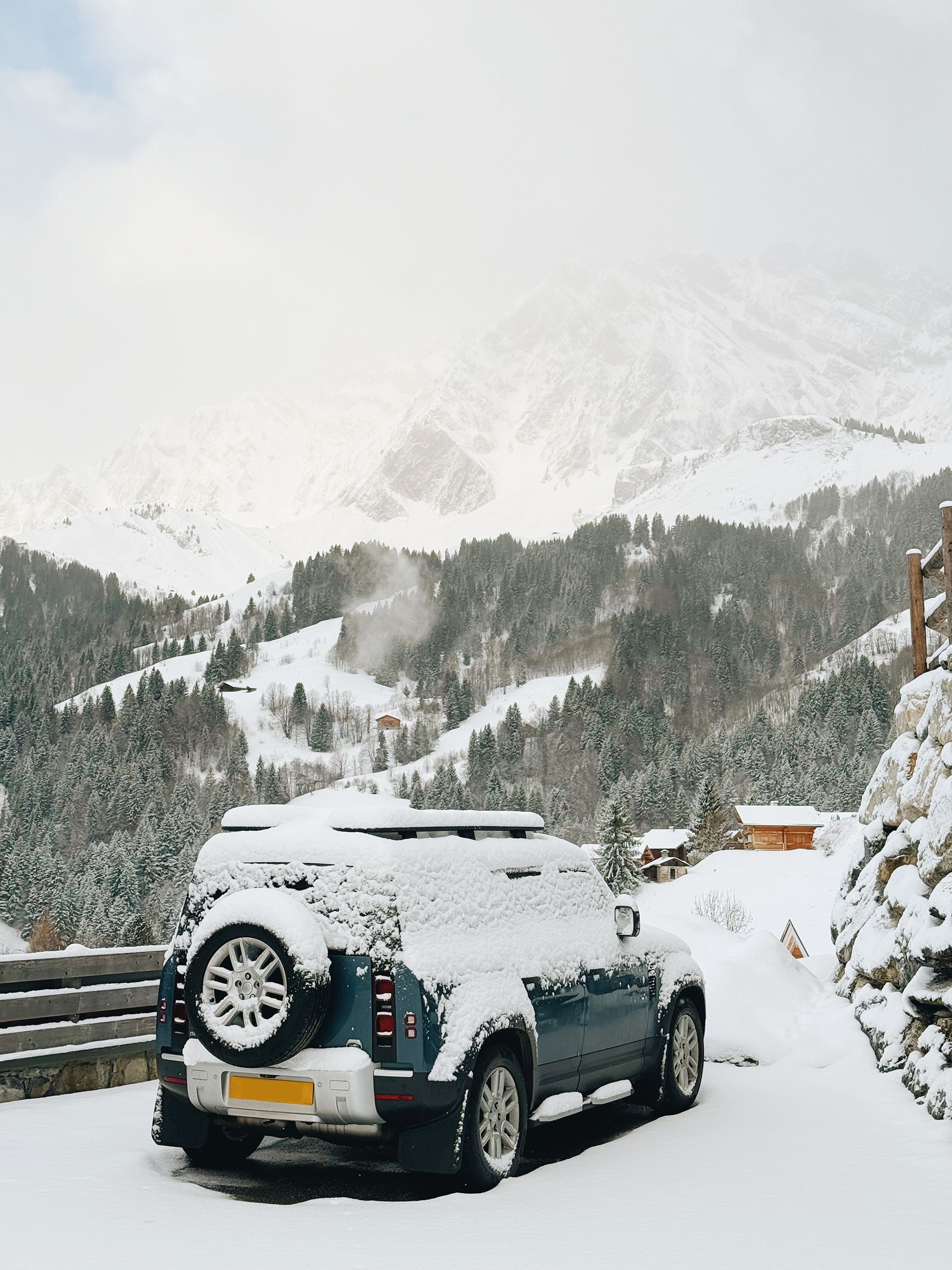
Surrounded by steep terrain, heavy snowfall and dramatic views, these homes don’t try to stand out. Instead, they feel grounded, shaped by the conditions around them, and refined over time through necessity as much as design.
Spending time in the region, you begin to notice how much thought sits behind what, at first glance, appears simple.
Built for the slope
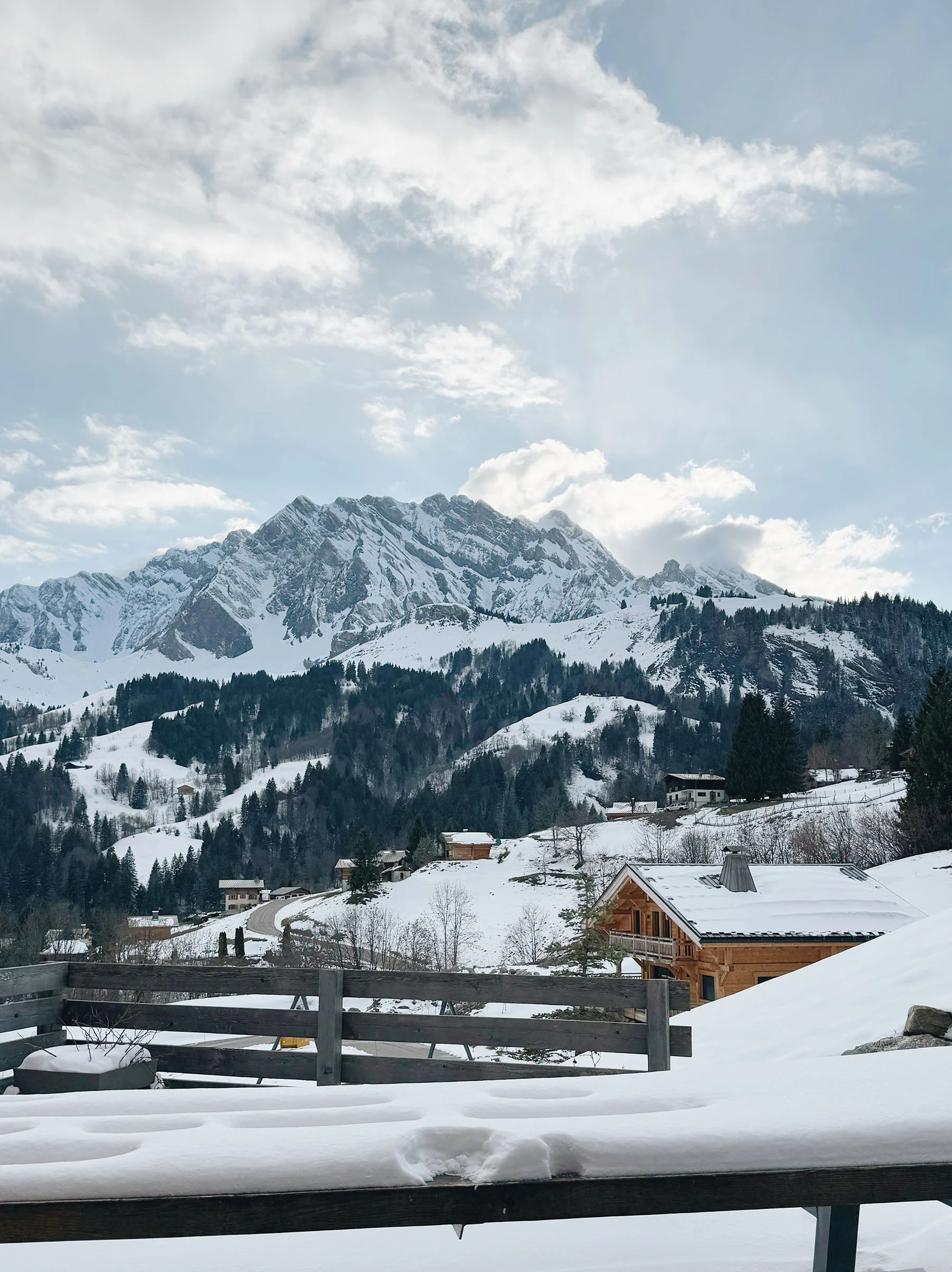
Chalets rarely fight the land. They follow it. Many are built directly into the mountainside, stepping down with the terrain. Lower levels feel anchored and protected, while upper floors open out towards the view, often with generous balconies or terraces.
This creates a natural balance, a sense of shelter at the back, and openness at the front. It’s a quiet, logical response to the landscape, but it gives these homes a strong sense of belonging.
Materials that withstand time
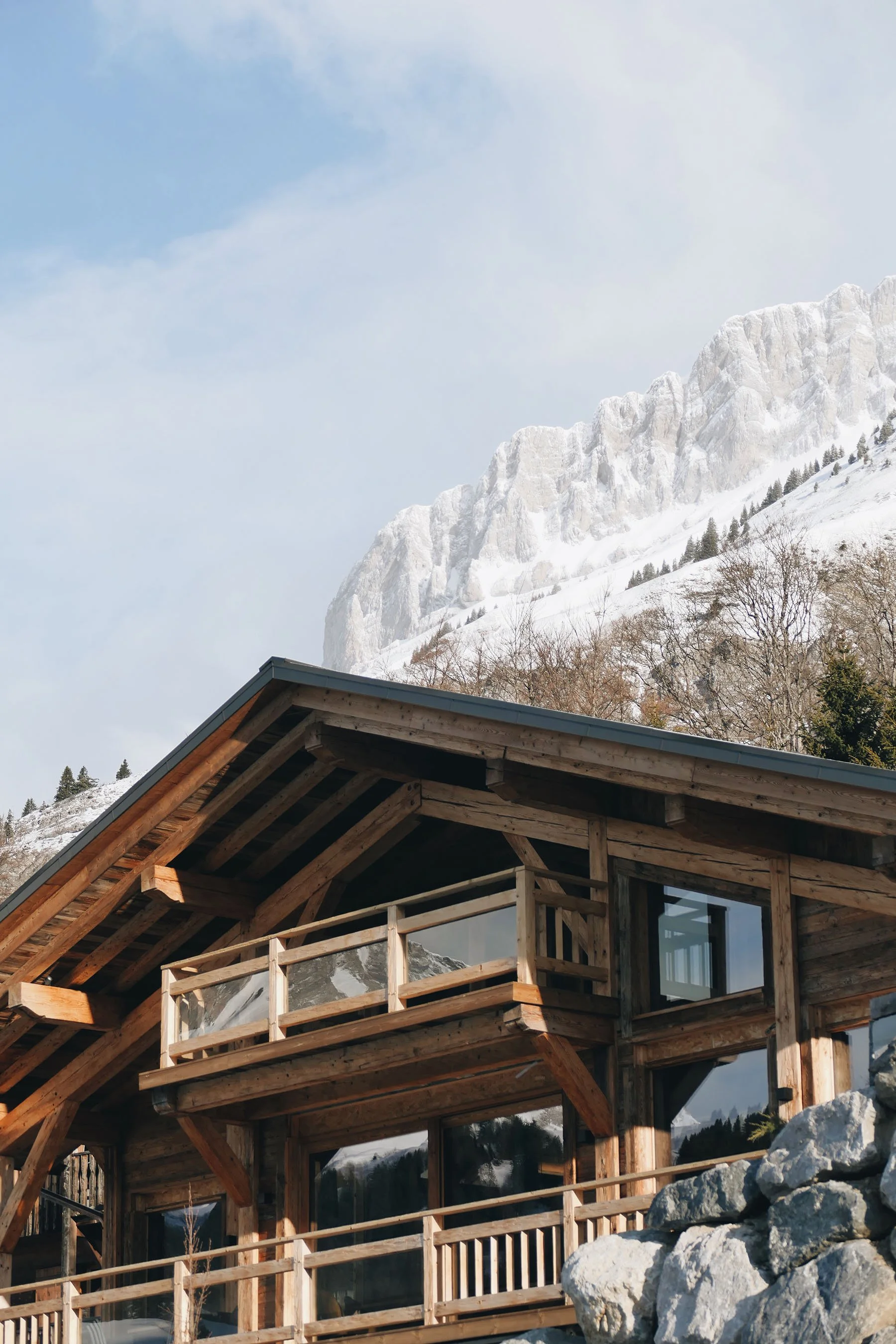
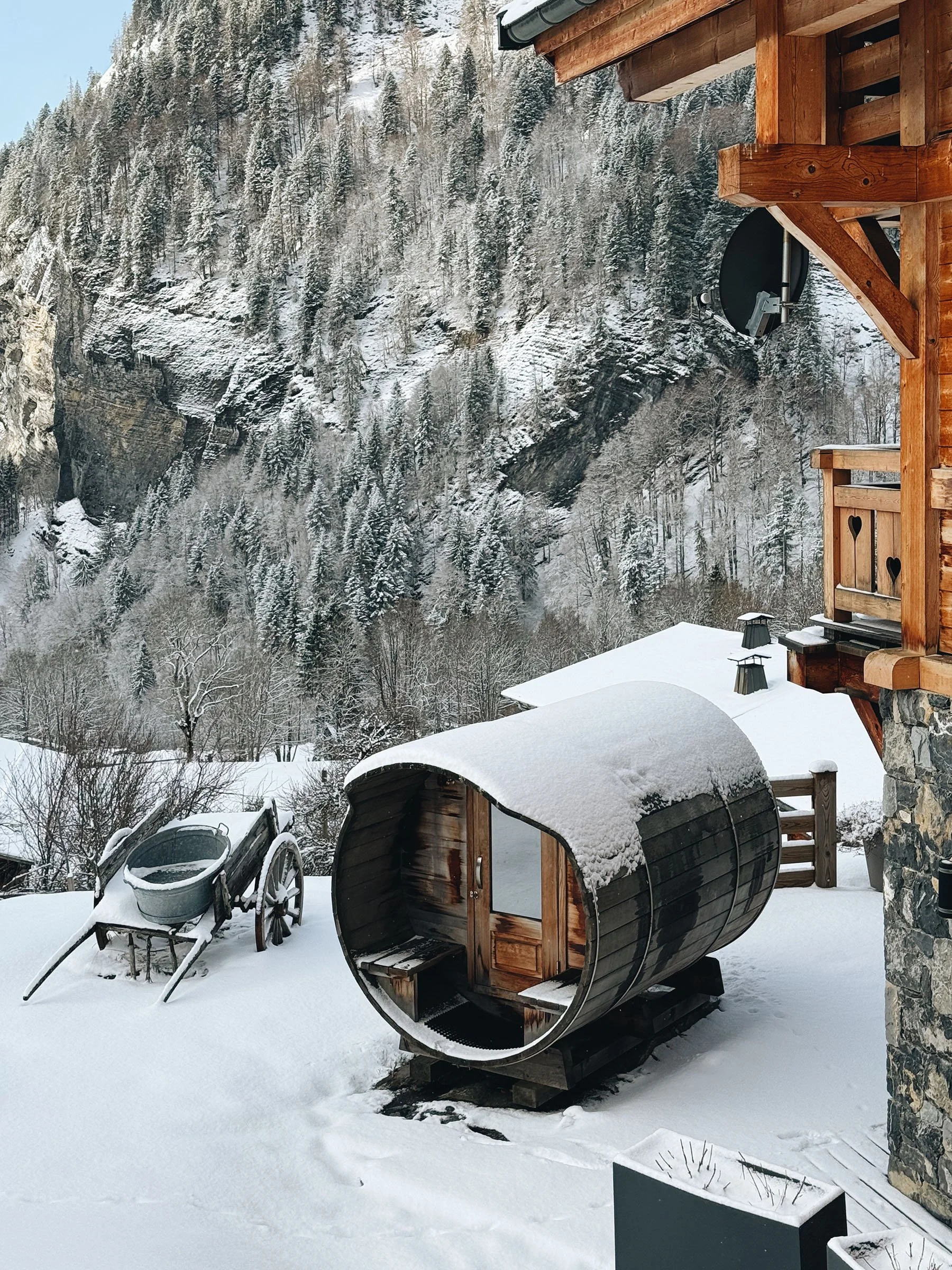
Material choice in alpine chalets is as much about endurance as it is about atmosphere. Timber dominates, often left untreated so it can weather naturally. Over time, it softens into muted grey tones that sit effortlessly against snow, rock and sky. Stone is typically used at the base, grounding the structure and protecting it from the elements.
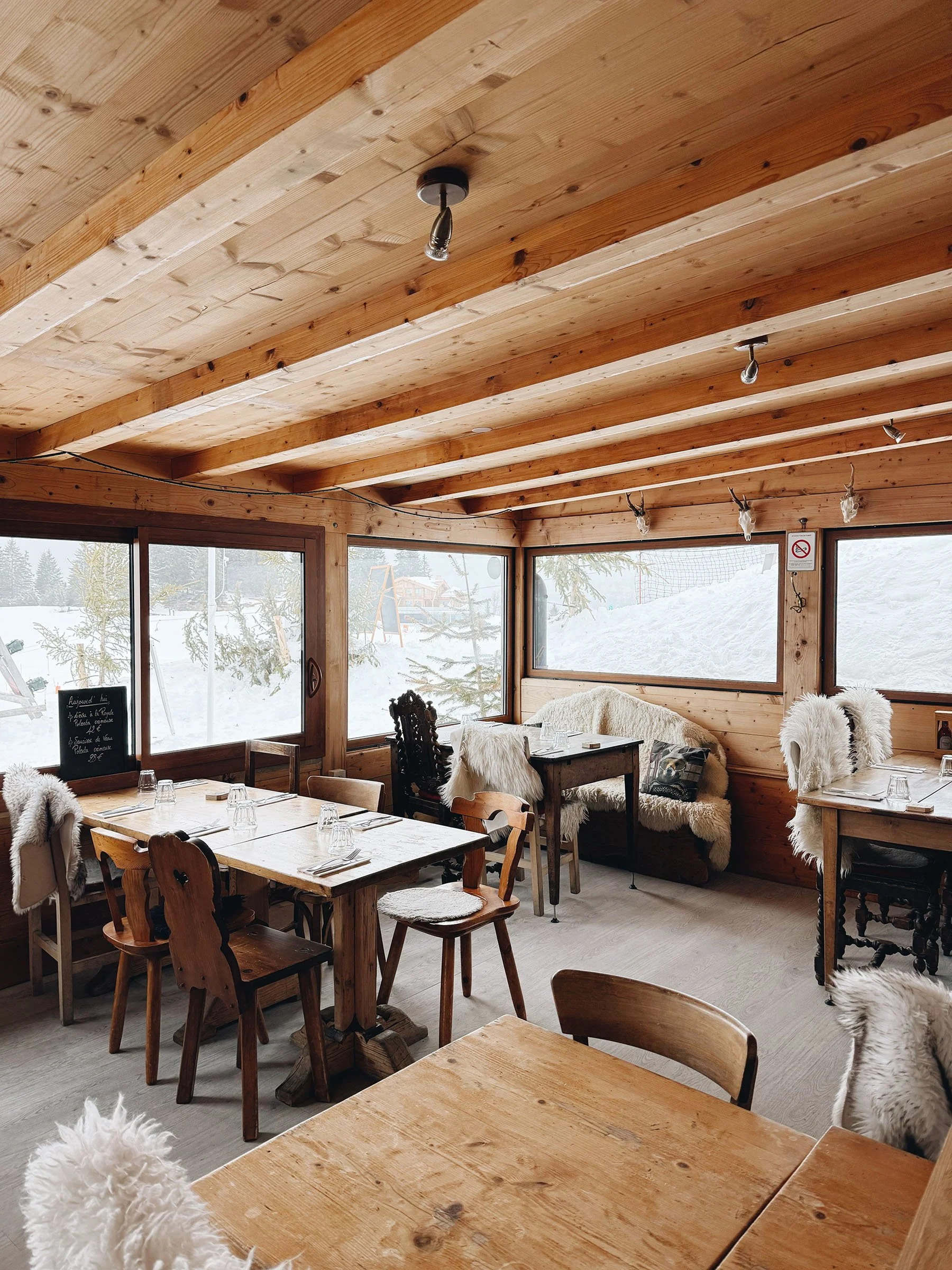
Inside, the same materials continue, timber walls, exposed beams, stone floors, creating spaces that feel warm without needing excess. Nothing feels overly considered, yet everything has been.
Framing the mountain
Openings in chalets are carefully placed, not just for light, but for protection and perspective. Large windows often face outward towards the valley or distant peaks, while more enclosed sides shield the building from harsher weather. This creates interiors that feel both expansive and secure.
The landscape is always present, but never overwhelming.
Simplicity in form
Even in more contemporary interpretations, chalet design remains restrained. Pitched roofs, clean lines and a limited palette are common. There’s very little interest in complexity for its own sake. The architecture focuses on proportion, structure and material, the fundamentals.
It allows the surrounding environment to remain the defining feature.
Designed to last
What stands out most is the sense of longevity. These buildings are made to endure, structurally, materially and visually. They don’t rely on trends or statement gestures. Instead, they settle into the landscape over time, becoming more comfortable in their surroundings with each passing year.
There’s a quiet confidence in that approach.
A reflection closer to home
While the Alpine environment is unique, the principles behind these chalets feel familiar. Across Somerset, Dorset, Hampshire and West Sussex, the most considered homes often follow a similar logic, working with the land, using materials that age well, and keeping design grounded in simplicity.
The chalet offers a clear reminder:
Good architecture doesn’t need to dominate its surroundings.
It just needs to belong.