Five ways to protect your outdoor space this Summer.
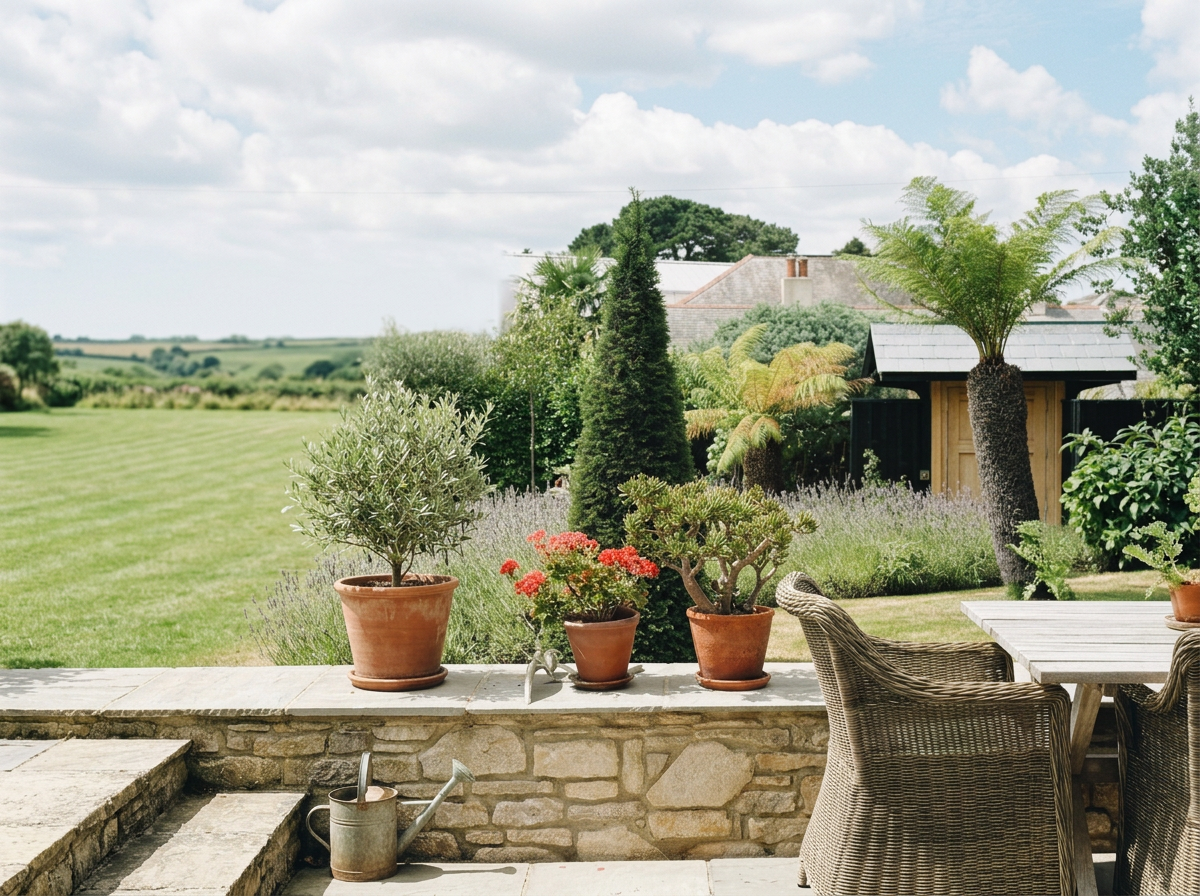
As British summers become warmer and drier, gardens require a more considered approach to care. Discover five simple ways to protect your planting, conserve water and create a more resilient outdoor space throughout the season.
1. Water less often, but more thoroughly
One of the most common mistakes during hot weather is watering little and often. Light watering only dampens the surface of the soil, encouraging shallow roots that struggle when temperatures rise further. Instead, water deeply every few days so moisture reaches the root zone where plants need it most. Early morning is generally the best time to water, reducing evaporation and allowing plants to absorb moisture before the heat of the day. If possible, avoid watering in the middle of the afternoon when much of the water is quickly lost to evaporation.
2. Protect soil with mulch
Healthy soil retains moisture far more effectively than exposed ground. Applying a generous layer of organic mulch, such as composted bark, leaf mould or well-rotted compost, helps reduce evaporation, suppress weeds and regulate soil temperature. As it gradually breaks down, mulch also improves soil structure, supporting healthier plants throughout the year. It's one of the simplest interventions with the greatest long-term benefit.
3. Rethink the perfect lawn
A lawn turning golden during prolonged dry weather isn't necessarily a sign of failure. Grass naturally enters a period of dormancy during extended heat and, in most cases, will recover once rainfall returns. Rather than trying to maintain an intensely green lawn throughout summer, raise your mower blades slightly and avoid cutting during particularly hot periods. Leaving the grass a little longer shades the soil and helps retain moisture. Accepting a seasonal change in colour is often both more sustainable and better for the health of the lawn.
4. Choose plants that suit the climate
As our climate changes, planting choices are evolving too. Mediterranean and drought-tolerant species are becoming increasingly popular in British gardens, offering structure, texture and colour while requiring significantly less water once established. Plants such as lavender, verbena, salvias, rosemary and ornamental grasses cope particularly well during dry spells and pair beautifully with natural materials like gravel, limestone and timber. Introducing even a small number of resilient species can make a noticeable difference to the garden's long-term performance.
5. Collect rainwater before you need it
Although it may feel counterintuitive during a dry spell, preparing for the next rainfall is one of the smartest investments you can make. Installing a water butt allows rainwater to be collected from roofs and stored for future use. Rainwater is often preferable for many plants, and using it reduces reliance on mains water during periods of high demand. Combined with thoughtful planting and better soil management, it forms part of a more resilient approach to gardening.