Interior Architecture vs Interior Design, understanding the difference.
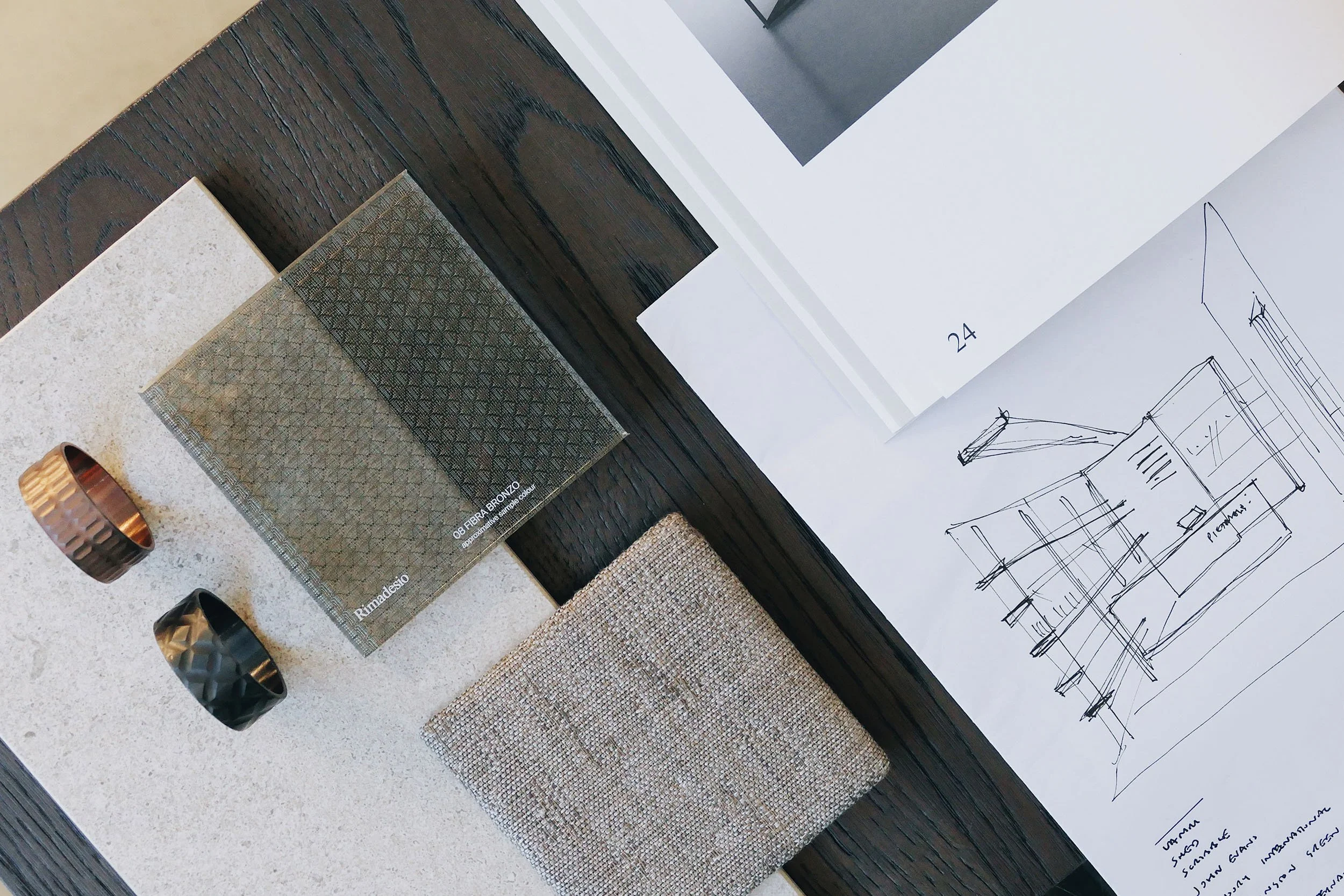
The terms Interior Architecture and Interior Design are often used interchangeably, yet they describe two very different approaches to shaping a home.
Both disciplines play an important role within residential projects, but understanding the distinction between them can dramatically influence the outcome of a renovation or new build, particularly when considering how spaces function, flow and feel over time.
Increasingly, homeowners are moving beyond decorative interior styling and seeking a more architectural approach to interiors. This is where studios such as Abitalia South Coast position themselves differently.
Rather than focusing solely on furniture, finishes or decoration, their approach centres around the architecture of interior space itself, how people move through it, how light shapes it, and how materials, joinery and layout work together cohesively.
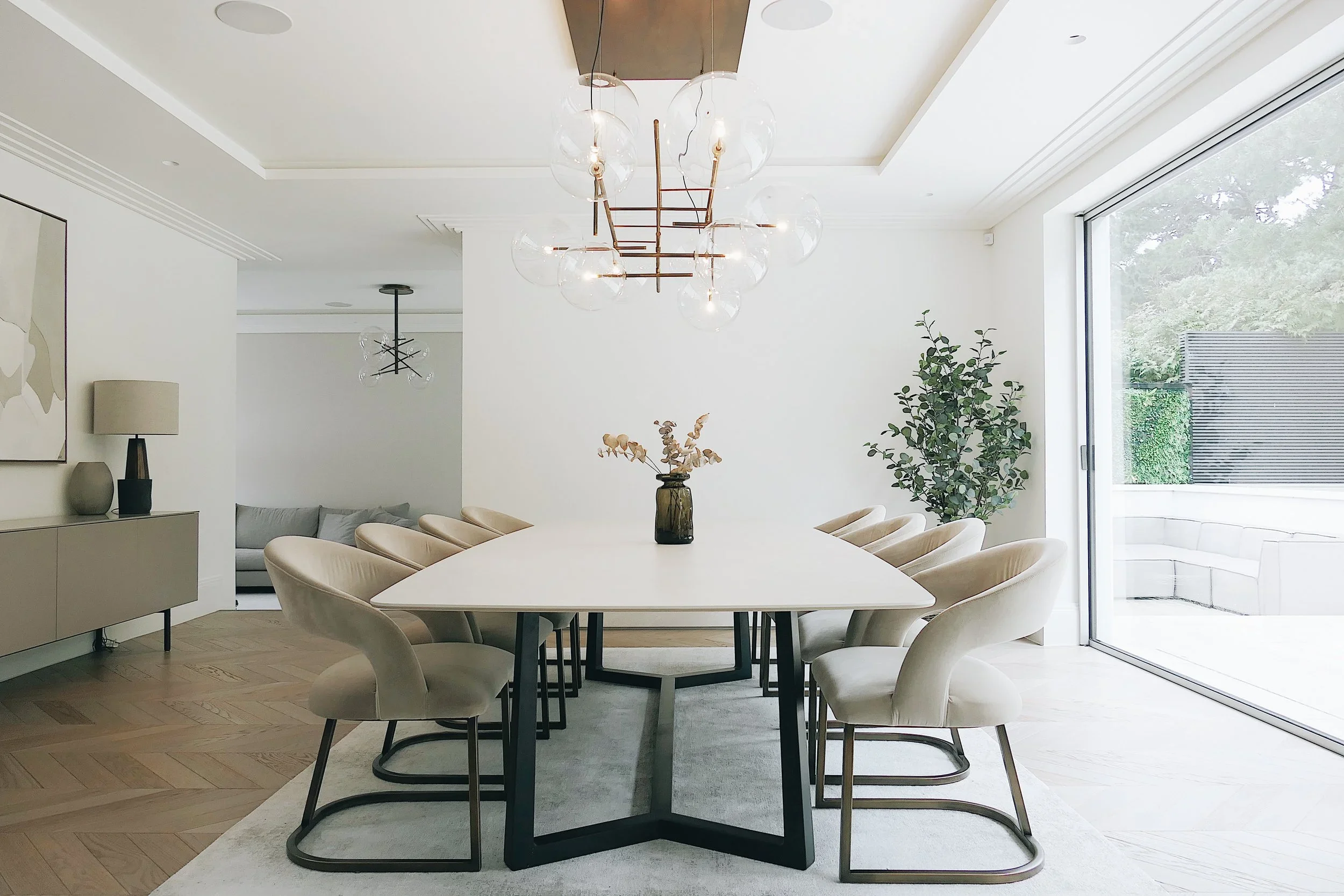
What is Interior Design?
Interior design is typically concerned with the visual and decorative aspects of a space.
This often includes:
furniture selection
colour palettes
fabrics and finishes
lighting schemes
styling and decoration
A skilled interior designer helps create atmosphere and personality within a home, ensuring spaces feel cohesive and visually resolved. For many projects, particularly furnishing or cosmetic renovations, interior design alone may be entirely appropriate.
What is Interior Architecture?
Interior architecture operates at a deeper structural and spatial level.
Rather than beginning with decoration, it starts with the architecture of the interior itself:
spatial planning
circulation and flow
structural alterations
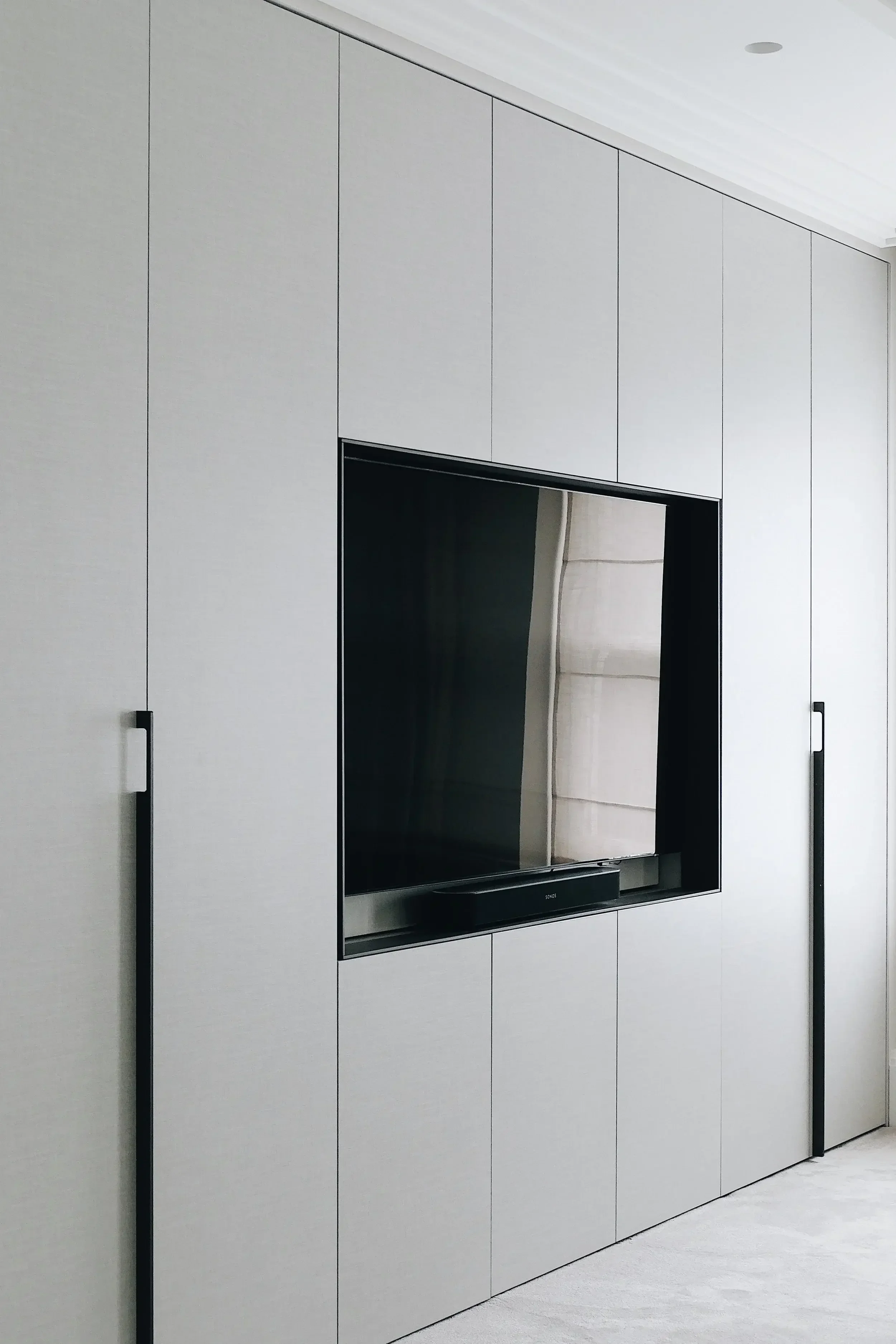
bespoke joinery
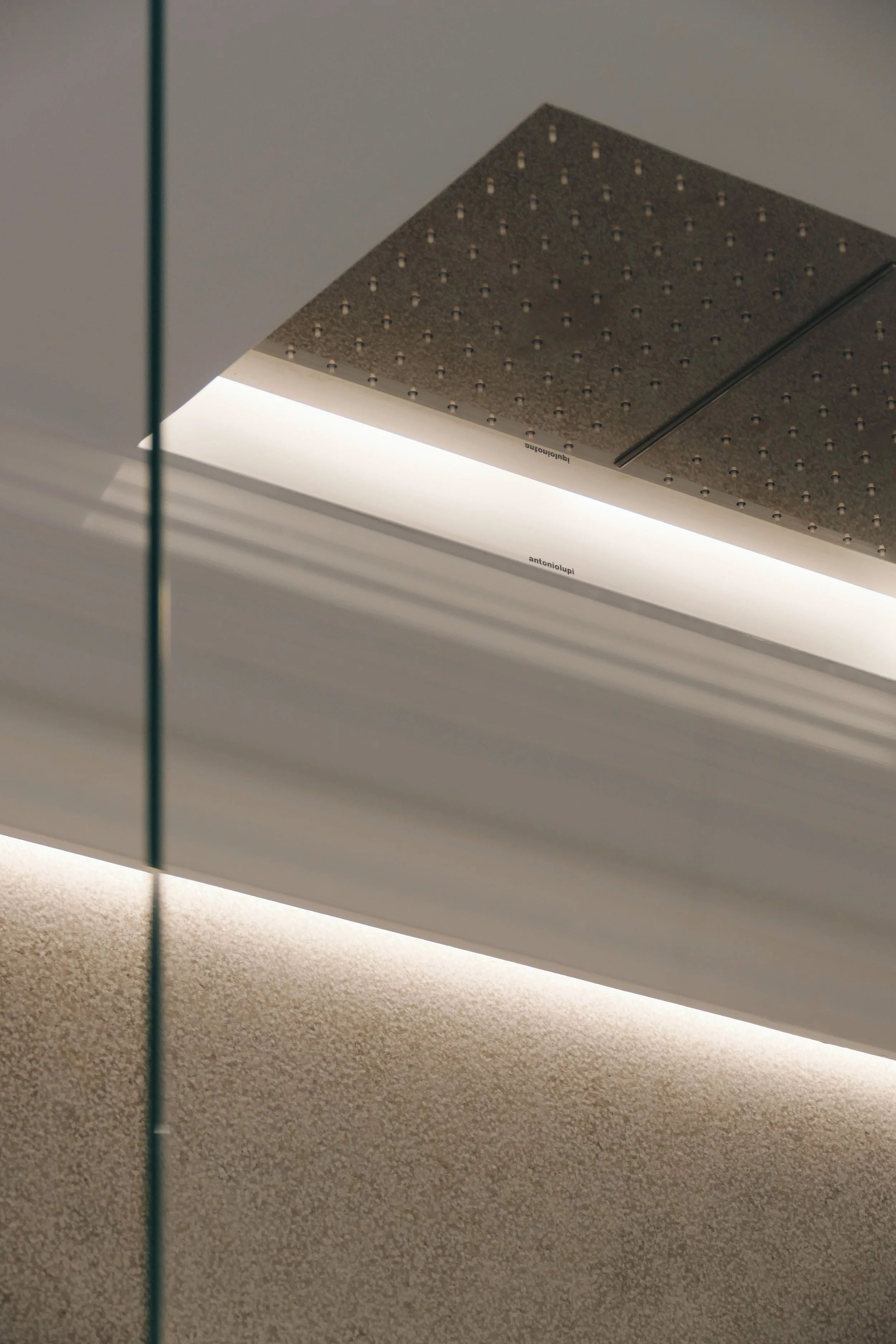
lighting integration
material continuity
the relationship between rooms
Interior architecture considers how a home functions as a complete environment rather than a series of individual spaces. It is less about applying style, and more about shaping the experience of living within the architecture.


Why the difference matters
Within contemporary residential design, homeowners increasingly want spaces that feel calm, coherent and long-lasting. Achieving this often requires more than selecting furniture or finishes. It requires careful consideration of proportion, light, material and spatial flow from the earliest stages of the project.
This is where an interior architectural approach can significantly elevate the outcome. Rather than treating kitchens, bathrooms and living spaces separately, the home is approached holistically, ensuring continuity throughout the entire environment.
A more Architectural approach to living
Studios such as Abitalia South Coast specialise in this more integrated approach to residential interiors. Their work focuses heavily on bespoke Italian kitchens, architectural joinery and carefully considered interior systems that become part of the architecture itself, rather than standalone additions.
This distinction is important.
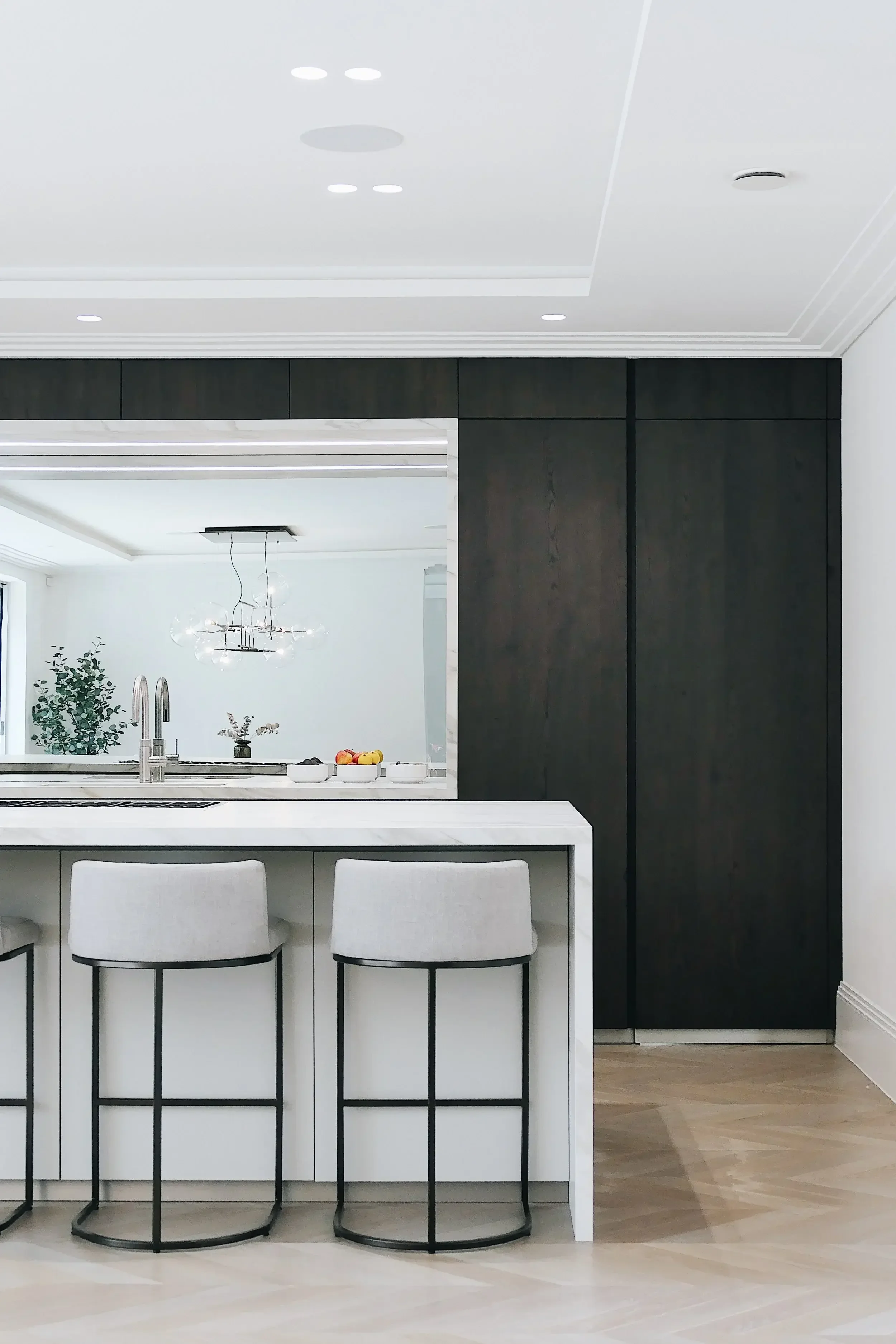
A kitchen, for example, is no longer viewed simply as cabinetry placed within a room, but as an integral architectural element connected to circulation, materiality and the wider living environment. The same applies to storage, lighting and spatial zoning throughout the home.
The influence of Italian design
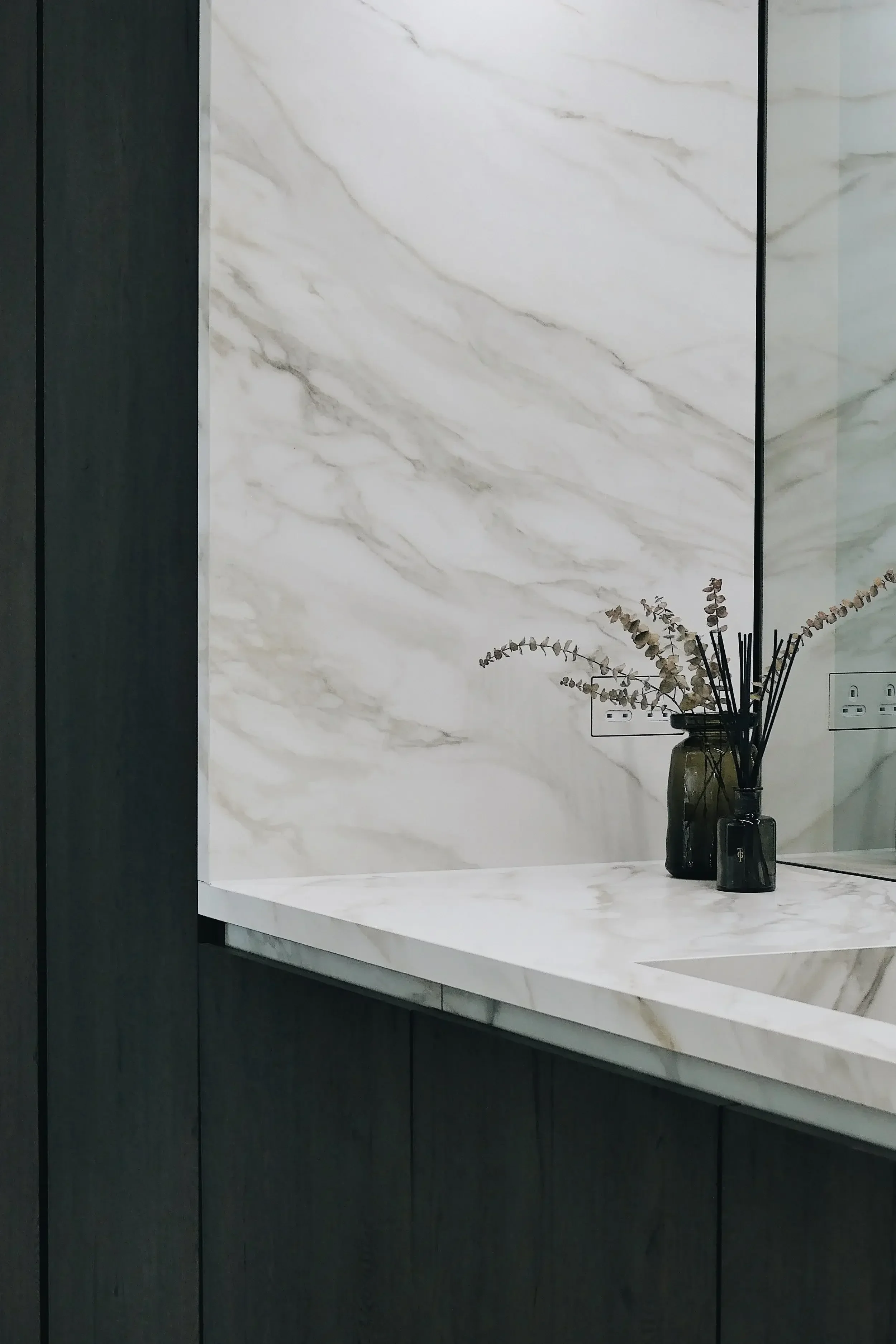
One of the defining characteristics of Abitalia’s approach is its connection to contemporary Italian design principles.
Italian interiors are often characterised by:
restraint rather than excess
refined detailing
material consistency
integrated systems
balance between function and atmosphere
This creates spaces that feel both highly functional and visually calm, something increasingly sought after within modern residential architecture.
Beyond decoration
Interior architecture often becomes most valuable during larger renovation and new-build projects where the overall flow and functionality of the home are being reconsidered.
At this stage, decisions around:
ceiling heights
room relationships
hidden storage
lighting integration
bespoke joinery
kitchen layout
material transitions
…all contribute to how the home ultimately feels. These are architectural decisions as much as aesthetic ones.
Choosing the right approach
Neither Interior Design nor Interior Architecture is inherently better, they simply serve different purposes. Interior Design brings warmth, personality and atmosphere to a space. Interior Architecture shapes the underlying structure and experience of how the home works and flows.
For many homeowners, the most successful projects combine elements of both. However, when the goal is to create a home that feels cohesive, calm and architecturally resolved, an interior architectural approach often provides the strongest foundation.
It moves beyond decoration and focuses instead on the experience of living within the space itself. And increasingly, that is what many homeowners are truly searching for.