Why material choice matters in residential architecture
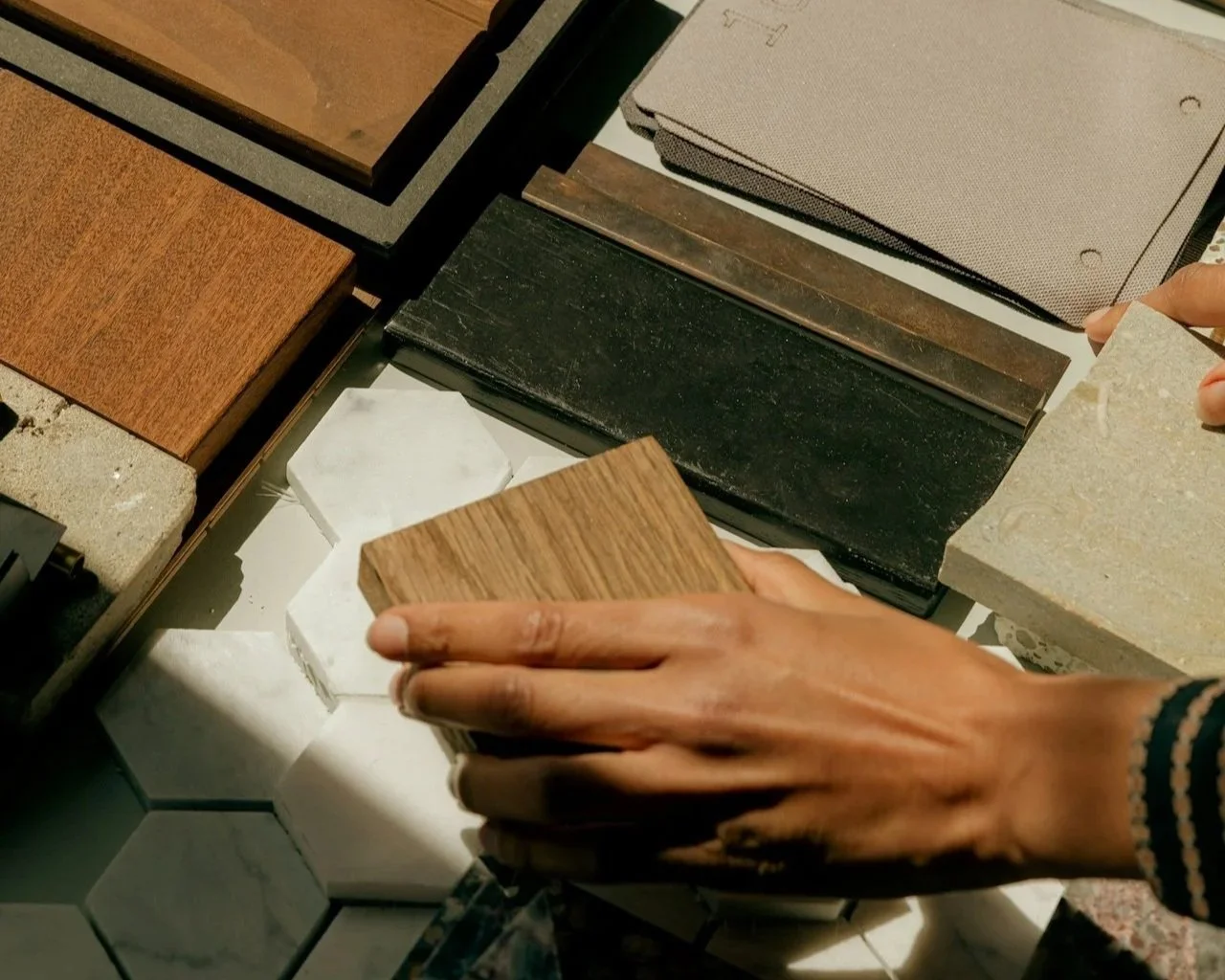
Material choice sits at the heart of residential architecture. While form and proportion define the structure of a building, it is often the materials themselves that give a home its lasting character.
Stone walls warmed by sunlight, the quiet grain of oak flooring, or the soft texture of lime plaster all contribute to the atmosphere of a space in ways that extend far beyond aesthetics.
Materials That Age With Grace
One of the most compelling qualities of natural materials is their ability to improve as they age. Unlike synthetic finishes that often deteriorate or date quickly, materials such as stone, timber and lime plaster develop subtle patinas over time.
Timber flooring softens through use, stone surfaces carry the marks of daily life, and lime plaster walls develop gentle tonal variations as they settle. These gradual changes add depth and authenticity to a home, allowing it to feel more established with each passing year.
For many homeowners, this sense of longevity is one of the most appealing aspects of natural materials. A well-built house should not feel static; it should evolve quietly as it becomes part of the lives lived within it.
Creating Cohesion Through Material Palettes
Thoughtful material selection also helps create cohesion throughout a home. Rather than relying on numerous finishes or decorative elements, architects often work with a restrained palette that flows naturally from room to room.
Stone flooring might extend from entrance hall to terrace, visually linking interior spaces with the surrounding landscape. Timber joinery may appear consistently across cabinetry, doors and staircases, bringing warmth and continuity to the interior.
This restrained approach allows materials themselves to carry the visual weight of a building. When handled well, the result feels calm and intentional rather than overly styled.
Craftsmanship and Detail
Materials alone do not define architectural quality; the way they are handled matters equally. Skilled craftsmanship ensures that stone joints align perfectly, timber details remain precise and plaster surfaces maintain their soft, natural texture.
These details often go unnoticed at first glance, yet they shape the experience of a home profoundly. The weight of a solid oak door, the cool texture of stone beneath bare feet, or the way natural light moves across a lime plaster wall all contribute to a sense of quiet refinement.
A Response to Place
In many of the most successful homes across southern England, materials are also chosen in response to landscape. Local stone may echo the colours of nearby fields or cliffs, while timber cladding weathers gently into the surrounding countryside.
This relationship between building and environment allows architecture to feel rooted rather than imposed. The home becomes part of its setting rather than standing apart from it.
Designing for Longevity
Ultimately, the materials used in a home shape not only its appearance but its lifespan. Carefully selected natural materials require patience, craftsmanship and considered design, yet they reward that investment with durability and enduring beauty.
In an era where design trends shift rapidly, homes built with honest materials offer something increasingly rare — the ability to age gracefully and remain relevant for generations.
For homeowners planning a new build or renovation, material choice therefore becomes more than a design decision. It becomes a statement about how a home will live, evolve and endure over time.